6 tips to enjoy teaching an exam course

John Wolf
Teacher speaking to a student with an open book on a desk

Who gets excited about English exam classes?

You likely love teaching English, it’s fun, dynamic – almost chaotic at times – and provides the kind of autonomy necessary to be creative and driven.

Some lessons are far less enjoyable than others - case in point: exam courses. Who gets excited about taking, not to mention preparing for, an English exam?

Nevertheless, it’s all part of the job and requires finding ways to make exam courses effective for students and enjoyable for teachers.Ìý

Job satisfaction is heavily dependent on our effectiveness as teachers and feeling like we actually accomplish something in the classroom - and is a key factor in avoiding burnout (Maslach & Leiter, 2016).Ìý

While passing an exam is a concrete, achievable goal - a task we are able to accomplish - it also serves as a stressor, a general source of tension and anxiety. So how can we turn this around and enjoy teaching exam courses?

Tips to enjoy teaching an exam course
Play
Privacy and cookies

By watching, you agree ÃÛÌÒapp can share your viewership data for marketing and analytics for one year, revocable by deleting your cookies.

1. Deflate the pressure of the exam

There’s no magical way to stop students from feeling stressed about an upcoming English exam, so the best strategy in the classroom is to prepare them as best as possible.Ìý

As well as using exam preparation course books, you should show them videos of the speaking exams or direct them to online resources such as .Ìý

Outside the classroom, encourage language students to take a break and not leave everything until the last minute. They could even try the to help them focus.Ìý

2. Ready your repertoire

All language teachers have a few tricks up their sleeves: a bank of activities we use on a regular basis that we know are effective and enjoyable.Ìý

This also applies to exam courses - just because your students are studying for an exam, it doesn’t mean you can’t have fun in class!Ìý

Try games like ‘ to review vocabulary, or do a to make reading papers more interactive.ÌýÌý

Whatever your favorite classroom activities are, try them out. Just remember to give them an exam twist.

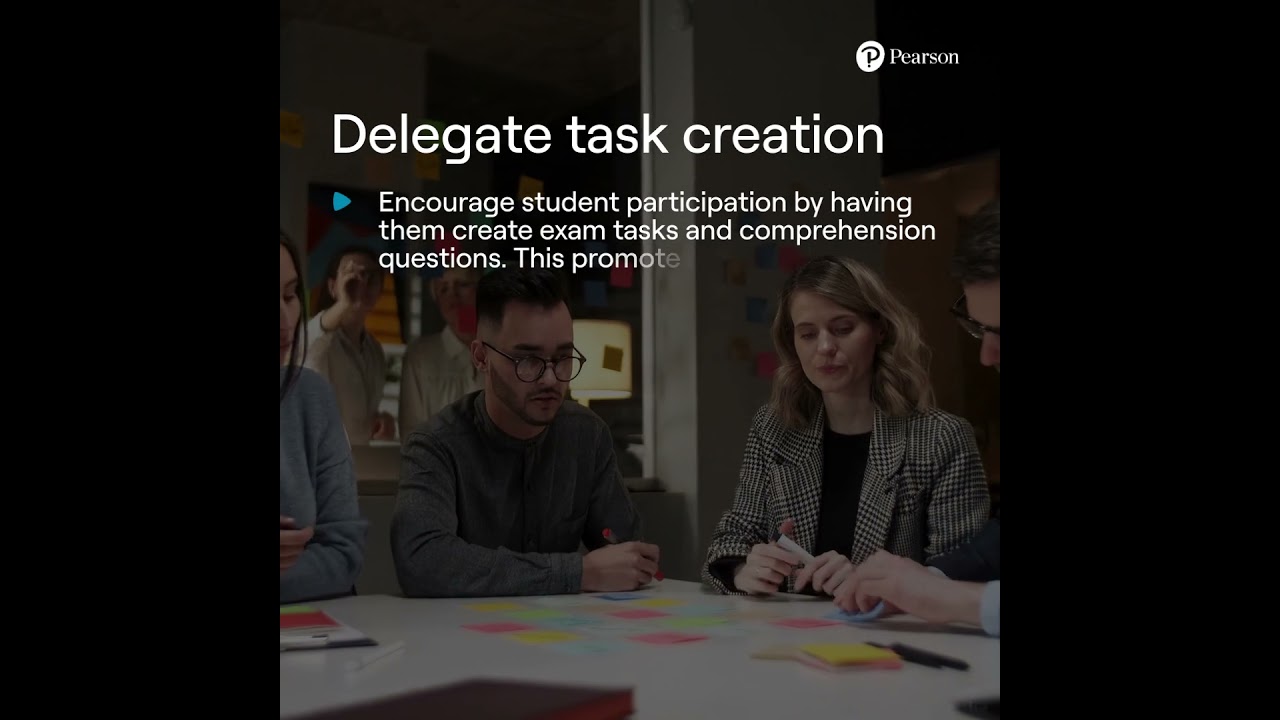
3. Delegate task creationÌý

It's important to always be finding ways for students to take part in teaching activities. Asking students to create their own exam tasks is a great way for them to exercise autonomy, and learn more about the format of the test.Ìý

Allow students to find their own texts and create comprehension questions to go with it. Alternatively, they could turn it into a Use of English exercise by removing words from the text and having their partners try and complete the gaps.Ìý

If you’re struggling to find interesting or relevant photos for the speaking paper, get students to bring in their own pictures - or use the ones they have on their phones. Once they know how the exam works, they can even try creating their own questions to go with them.Ìý

4. Monitor progress

Tutorials are a great tool, where students feel comfortable sharing their feelings with the teacher about how they are progressing.

Get them to write down three things they like about the course and one thing they think could be better.Ìý

You can use this in your 1-to-1 tutorials or use it to spark a group discussion. There’s a good chance they’ll all say similar things, and it will allow you to do more of what they love and also to address any doubts they have.Ìý

5. Manage exam practice

Don’t overload language students with exam tasks, especially at the start of the school year. Many students won’t, in the beginning stages of the course, be prepared for these tasks. Failing or getting bad scores early on can be demotivating and can impact their confidence long term.Ìý

Like taking sips of hot coffee, exam practice should be dished out in small doses, with frequency increasing as the exam approaches.

6. Mark writing efficiently

Instead of marking each mistake on every piece of writing, identify common and repeated errors, and focus on those as a whole class. Not only will this lead to better results for students, but it significantly reduces marking time too.

Along with this strategy, having a clear system that our students understand is also highly effective for saving time and reducing stress. Create a checklist they can use to assess their own work before submitting it, or create a code you can use so they can easily identify what your feedback relates to (grammar, vocabulary, register, etc.).Ìý

Remember to also give feedback on things they do well, and always give them the opportunity to submit a final draft with your feedback taken into account.Ìý

Enjoyment is contagiousÌý

The energy you bring to these lessons is often shared by the students. On days when you feel lethargic or don’t exactly love your job, students may express similar emotions or behavior. This also applies to the days when you love your job and feel energetic. Enjoyment is contagious, like a yawn or laughter. The more we, as English teachers, can enjoy our work, the more our students will enjoy their lessons.

References:

Maslach, C., Leiter, M.P. (2016). World Psychiatry, 15(2), 103-111.Ìý

More blogs from ÃÛÌÒapp

  • A girl sat at a desk in a with her head leaning on one hand smiling at the camera

    Reaching exam success with happiness and wellbeing in mind

    By Sophia Fergus

    Are you or your students preparing for an exam like ? If so, you might find that things are more stressful than usual or that motivation is starting to lack. When preparing to take an exam, it’s easy to overlook the fact that people also need to destress and relax a little.

    Exam preparation is an important period. That’s why we’ve come up with some tips and advice that will help increase happiness and well-being. It will also help develop good study habits and ensure you or your students remain happy right up to their exams and beyond.

    1. Create a study plan

    A clear plan can help you get off to a positive start. At the same time, it will inevitably lead to more confidence and better results on the big day. Make sure to gather all the materials and equipment you will need (or provide your students with a list of what they need to gather). Once prepared, set up a comfortable workspace where you will feel happy to spend time. If you’re a teacher, you can ask your students to describe their ideal study spaces in class – this will help them visualize what they need to do at home!

    It's also helpful to create a schedule where you write down what you need to work on and when. Try to include all areas of the exam but prioritize those areas that may need more work and improvement.

    2. Take time out

    If you're starting to feel anxious or stressed as the exam day comes nearer, here are some ideas to help manage:

    Take a break

    It’s better to study for short periods rather than spending hours on end at their desk. It’s a good idea to break up study periods and take a short break at regular intervals. If possible, also go outside and get some fresh air at least once a day.

    Try mindfulness techniques

    Guided meditation apps such as or can help reduce stress and prepare learners to focus better on their studies. You can also find guided meditation videos and audio tracks on Youtube or Spotify.

    Be positive

    Remember how far you’ve progressed and celebrate what you can do, and if you’re an educator encourage them to visualize themselves confidently completing the exam.

    3. Have fun!

    Although exam practice and reviewing are important parts of preparing for an exam, you can also have some fun. Play games and base activities around a variety of different media, including short videos and podcasts and other forms of entertainment.

    Make English a part of your leisure time. Watch series or films in English, listen to music or choose podcasts related to your interests. A good tip is to look for English-language alternatives to any materials or media usually consumed.

    4. Stay healthy

    The stress caused by exams can result in bad habits, and eating unhealthily – fast food, snacks and caffeine can provide a false sense of energy. However, the food we eat and drink can greatly affect our body and mind. A healthy diet can improve our mood, our memory and our levels of concentration:

    • Healthy carbs such as brown rice, pasta, whole grain bread and cereals will provide the necessary energy to allow students to keep working through the day.
    • Oily fish like salmon and sardines are great for the brain, heart and joints, as well as increasing serotonin which makes us feel good!
    • Other sources of Omega 3 such as nuts and seeds are a great substitute for vegans.
    • A variety of fruits and vegetables will ensure that students have a balanced diet that will improve memory, brainpower and mental agility.

    5. Get a good night’s sleep

    Sleep is essential for learning to take place. The time you spend asleep is just as important as the time you spend awake. You should aim to sleep for 8 hours a night. This will help your brain to recharge, allowing you to start the day with energy and focus.

    It’s especially important that you sleep well the day before the exam. This will help you relax and ensure that you are alert and ready to give your best performance.

    6. Offer incentives

    If you are studying intensively or for a long time, motivation levels may start to drop. If you’re a teacher and you see this is the case, your class will need some additional support and encouragement to help them keep going. Small rewards can help with this.

    Teacher: You can offer rewards in class by allowing students to choose an activity they enjoy, but it’s also useful for students to give themselves rewards for any goals they set and accomplish. This personalization will make the reward even more satisfying.

    Self-learner: When you get to certain checkpoints of your study make sure to reward yourself with something small that you enjoy. Small rewards include things like listening to your favorite song, eating a sweet treat or watching a funny video.

    7. Reduce the workload

    As the exam approaches, make sure to gradually slow down. Rather than trying to learn something new, spend the last few days reviewing what you’ve studied and practice English as much as you can. On the day before the exam, do something completely different, like go for a long walk or watch a good film. Just to get your mind to wind down and relax before your exam, which will likely be quite demanding on the brain.